A STUDY IN HUMAN NATURE
The Provenance Paradox
An archivist discovers a priceless, culturally sacred artifact was stolen decades ago, and returning it will destroy the impoverished community that now depends on it for survival.
 A MOMENT TO CONSIDER
THE SCENARIO
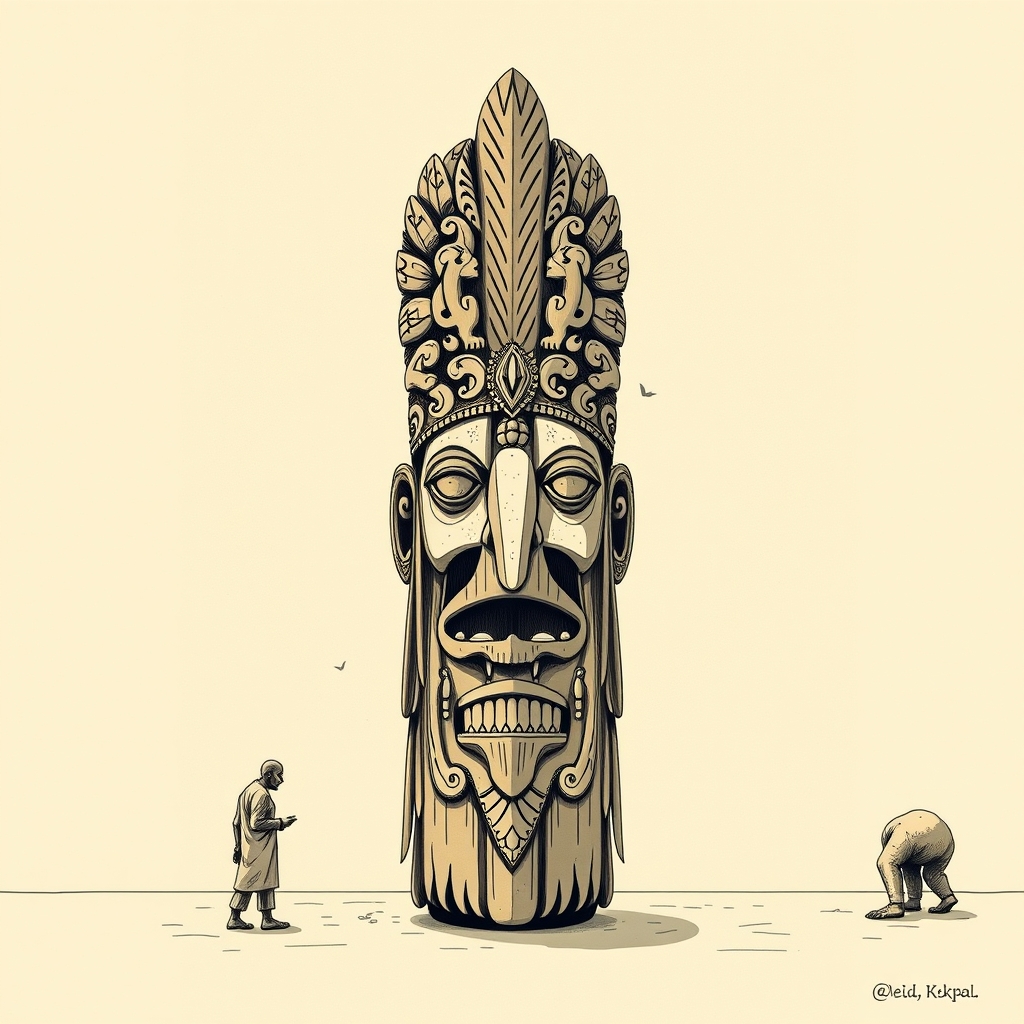
You are the head curator of a regional museum in an economically struggling rust-belt town. The museum's crown jewel—an ancient, intricately carved indigenous artifact—was acquired a century ago under legally murky, colonial circumstances. The item currently serves as the primary economic engine for the entire region, drawing global tourism that funds the local hospital, schools, and infrastructure. Recently, a delegation from the indigenous nation of origin formally requested its repatriation, presenting undeniable evidence of the historical theft. Returning the artifact is a matter of strict justice and cultural restitution, but doing so will instantly bankrupt the museum, plummet the surrounding community back into deep poverty, and force the closure of vital public services. Do you immediately return the artifact to restore historical justice regardless of the economic collapse, refuse the repatriation request to protect the livelihood and well-being of the living community, or negotiate a forced co-ownership arrangement that keeps a replica on display while sending the original back, thereby diluting the authentic cultural significance the indigenous nation is demanding?
YOUR PERSPECTIVE
What would you do?
There are no easy answers. Choose the option that best reflects your decision, then explain your reasoning.
There is more than one way to understand a human decision.